Source Eco Friendly Wooden Music Box for Gifts, Decor, and Promotions
Compare 30 eco friendly wooden music box options from verified suppliers. Buyers can evaluate custom music durations, hand-cranked mechanical designs, and varied shapes suitable for gifts, corporate giveaways, and home decoration; compare the available evidence and request quotations based on your requirements.
Key considerations
Products List


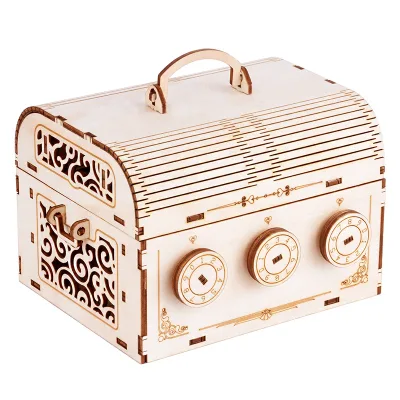
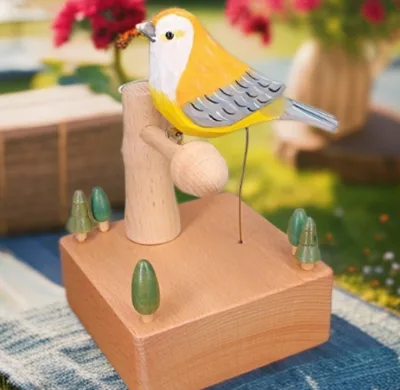
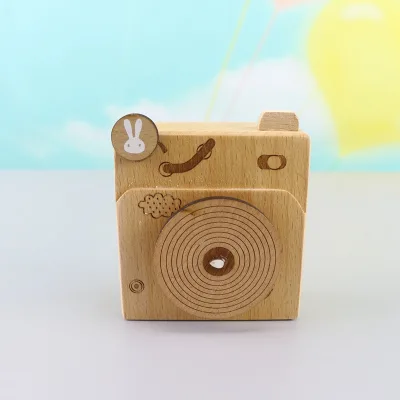
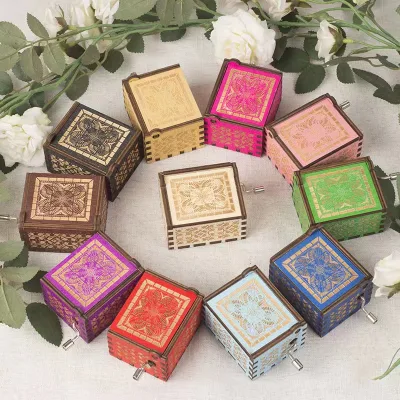
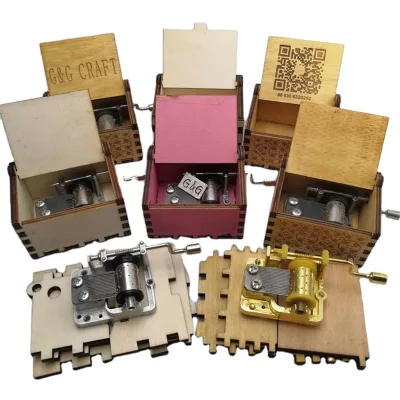
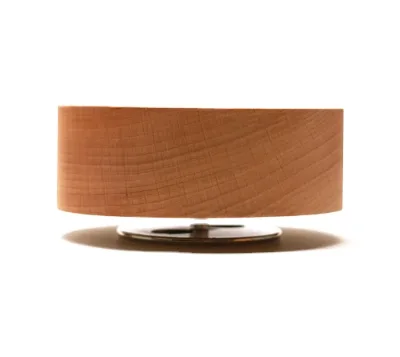
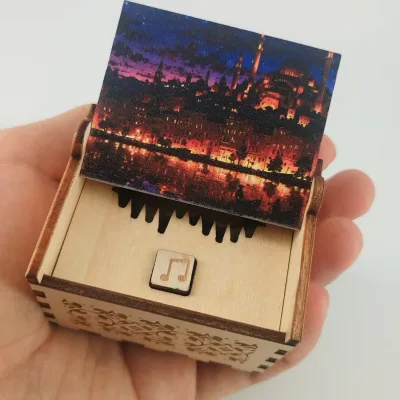
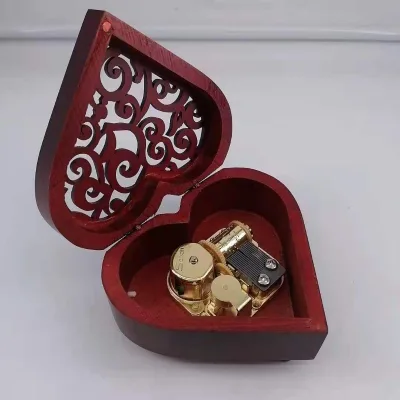




Comprehensive Sourcing Guide
Eco Friendly Wooden Music Box Sourcing Guide
Sourcing eco-friendly wooden music boxes requires a careful balance between aesthetic appeal, mechanical reliability, and sustainable material sourcing. Buyers must navigate a market where "eco-friendly" is often a marketing term rather than a verified attribute, necessitating strict verification of wood origins and finishing processes. The core appeal lies in the tactile experience of hand-cranked mechanisms and the natural warmth of wood, which differentiates these products from mass-produced plastic alternatives. Procurement teams should prioritize suppliers who can demonstrate transparent supply chains for their timber, ensuring that the raw materials do not contribute to deforestation or illegal logging practices.
Beyond material sustainability, the mechanical integrity of the music box is paramount for brand reputation. These items serve as both decorative pieces and functional gifts, meaning the sound quality and durability of the internal mechanism must withstand repeated use. Buyers should evaluate the craftsmanship of the wooden casing, looking for smooth finishes and precise joinery that reflect high-quality manufacturing. The intersection of environmental responsibility and mechanical precision defines the value proposition, requiring buyers to assess not just the visual appeal but also the longevity and acoustic performance of the product before committing to large orders.
Product Scope and Observed Listing Signals
The current market landscape for wooden music boxes reveals a diverse range of offerings, with observed price points ranging from $0.32 to $15.69 USD. This wide variance suggests significant differences in material quality, mechanism complexity, and customization levels. Minimum Order Quantities (MOQs) typically span from 10 to 1,000 pieces, indicating flexibility for both small boutique orders and large corporate gifting campaigns. Buyers should note that lower price points often correlate with simpler designs or standard music tracks, while higher prices may reflect intricate carvings, premium wood types, or custom engraving services.
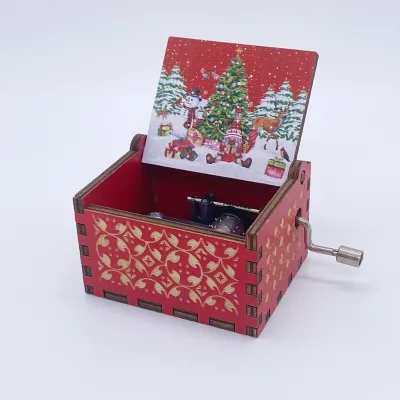
Listing signals indicate a strong emphasis on customization and aesthetic variety. Attributes such as "Fashionable," "Modern," and "European & American" styles are frequently highlighted, catering to diverse consumer tastes. The shape of the boxes varies from standard rectangles to custom forms, including specific designs like horses, which adds a unique selling point for niche markets. Additionally, features like "Rotating" elements and "Eco-Friendly" designations are common, suggesting that buyers can expect products that combine visual dynamism with sustainable messaging. Understanding these signals helps in filtering suppliers who align with specific brand identities and target demographics.
Technical Specifications to Verify
Verifying technical specifications is critical to ensuring the product meets functional expectations. Key dimensions observed include sizes such as 11x11x17 cm and 11x11x16 cm, with single package sizes around 15x15x22 cm. The weight of individual units is typically around 500g, which impacts shipping costs and handling requirements. Buyers must confirm the sound duration capabilities, which range from 30 seconds to 120 seconds, as this affects the user experience and perceived value. Longer durations often require more complex mechanisms, which can influence reliability and cost.
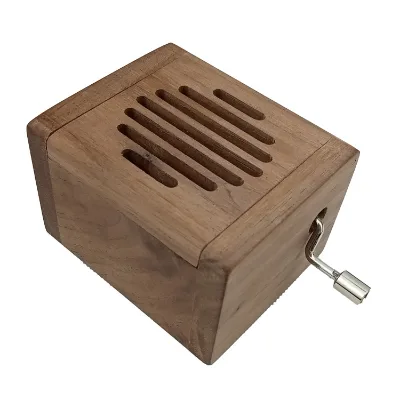
The power source for these music boxes is predominantly hand-cranked, emphasizing a mechanical and tactile interaction. This manual operation eliminates the need for batteries, aligning with eco-friendly goals and reducing long-term maintenance issues. However, buyers should verify the smoothness of the crank mechanism and the durability of the internal gears. Specifications such as model numbers (e.g., RY-2412-23) and material types (wood) should be cross-referenced with physical samples to ensure consistency. Additionally, packaging details, such as paper boxes or cartons, should be assessed for their protective qualities during transit to prevent damage to the wooden casing.
Compliance and Safety Documentation
Compliance with safety standards is non-negotiable for wooden toys and music boxes, especially those intended for children or general consumer use. Certifications such as ASTM and CE are frequently cited, indicating adherence to specific safety and quality benchmarks. Buyers must request valid certification documents from suppliers to verify that the products have undergone rigorous testing for chemical content, physical hazards, and mechanical safety. The presence of EN71 standards, particularly EN71-3 for migration of certain elements, is crucial for products marketed in European markets, ensuring that the wood finishes and paints are non-toxic.
Beyond formal certifications, buyers should inquire about the sourcing of raw materials and the environmental impact of the manufacturing process. Eco-friendly claims should be backed by evidence, such as FSC certification for wood or data on low-VOC finishes. Documentation regarding the production process, including waste management and energy usage, can further validate sustainability claims. Buyers must ensure that all compliance documents are up-to-date and applicable to the specific product variants being ordered. Failure to verify these documents can lead to regulatory hurdles, product recalls, or damage to brand reputation in regulated markets.
Cost Drivers and Commercial Terms
Several factors influence the final cost of eco-friendly wooden music boxes, including material selection, customization complexity, and order volume. Premium woods and intricate carvings naturally increase production costs, while standard rectangular designs with basic mechanisms offer more competitive pricing. Customization options, such as logo engraving or custom music tracks, add to the unit cost and may require higher MOQs. Buyers should negotiate based on volume tiers, leveraging larger orders to secure better pricing and more favorable commercial terms.
Payment terms and lead times are also significant components of the commercial agreement. Suppliers may require deposits for custom orders, with the balance due before shipment. Lead times can vary based on the complexity of the design and the current production schedule, so buyers should plan accordingly to avoid delays. Shipping costs, influenced by the weight and dimensions of the packaged goods, should be factored into the total landed cost. Clear communication regarding Incoterms and responsibility for import duties ensures that there are no unexpected expenses, allowing for accurate budgeting and profit margin calculation.
Supplier Qualification and Quality Control
Qualifying suppliers involves assessing their manufacturing capabilities, quality control processes, and commitment to sustainability. Buyers should request factory audits or third-party inspection reports to verify production standards and working conditions. Suppliers with established quality control protocols, including in-process inspections and final random inspections, are more likely to deliver consistent products. It is essential to evaluate the supplier's ability to handle customization requests without compromising quality, as this requires skilled craftsmanship and precise machinery.
Quality control checks should focus on the mechanical functionality of the music box, the finish of the wood, and the integrity of the packaging. Buyers should define clear acceptance criteria for defects, such as scratches, loose parts, or malfunctioning mechanisms, and ensure these are communicated to the supplier. Sampling is a critical step in the qualification process, allowing buyers to assess the product's quality firsthand before committing to large orders. Establishing a strong relationship with the supplier through regular communication and feedback helps in maintaining high standards and addressing any issues promptly.
Long-Term Procurement Checks
Long-term procurement success depends on continuous monitoring of supplier performance and market trends. Buyers should regularly review supplier metrics, including on-time delivery rates, defect rates, and responsiveness to issues. Maintaining open lines of communication allows for proactive problem-solving and fosters a collaborative partnership. Additionally, staying informed about changes in sustainability standards and consumer preferences helps in adapting procurement strategies to meet evolving demands. Regularly updating the supplier qualification criteria ensures that the supply chain remains robust and compliant with current regulations.
Evaluating the product's market reception is also crucial for long-term success. Feedback from end-users can provide insights into product durability, aesthetic appeal, and overall satisfaction. Buyers should use this feedback to refine product specifications and negotiate improvements with suppliers. Continuous improvement initiatives, such as exploring new wood types or more efficient manufacturing techniques, can enhance the product's value proposition. By maintaining a strategic approach to procurement, buyers can ensure a steady supply of high-quality, eco-friendly wooden music boxes that meet both business objectives and customer expectations.
FAQs
What materials are used for the music box?
The music box is constructed primarily from wood, ensuring an eco-friendly design suitable for gifts. This material choice supports sustainable sourcing while providing a classic aesthetic. The product features a wooden composition that aligns with modern decorative needs for promotional items.
Can the music box be customized for branding?
Yes, customization is available for this wooden music box to meet specific branding requirements. Buyers can request tailored features to suit corporate giveaways or personal gifts. The product supports custom designs while maintaining its core mechanical and hand-cranked functionality.
What is the minimum order quantity for this item?
The minimum order quantity varies, with observed values ranging from 10 to 1000 pieces depending on the specific supplier configuration. Some listings indicate a standard MOQ of 100 pieces, while others may accept orders as low as 12 pieces per song. Buyers should verify the exact requirement with the vendor.
How long does the music play on a single crank?
The sound duration typically ranges from 30 seconds to 120 seconds, with common options including 60 seconds. This mechanical play power allows for varied musical experiences based on the specific model selected. The duration is determined by the internal mechanism and song length.
Which certifications does the product hold for safety?
The product holds certifications such as ASTM, CE, and EN to ensure safety compliance for toys. These standards verify that the wooden music box meets international safety requirements for children and general use. Buyers can rely on these documented certifications for quality assurance.
What are the dimensions of the single package?
The single package size is approximately 15 by 15 by 22 centimeters, containing the wooden music box securely. The product itself measures around 11 by 11 by 17 centimeters, fitting within the provided paper box packaging. This ensures safe transport and presentation for promotional or gift purposes.
Where is the product manufactured?
The product originates from Shandong, China, a region known for manufacturing wooden toys and gifts. This location ensures access to established supply chains for eco-friendly wooden items. Buyers can expect consistent production quality from this specific place of origin.